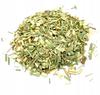
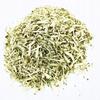
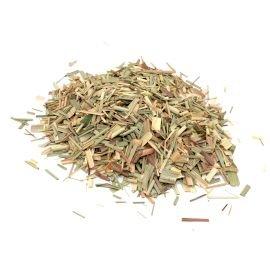
La hierba limón llega en generosas cintas de color dorado pálido, los trozos secos cortados portan ese característico aroma cítrico-verde incluso antes de llegar al agua caliente.. Este es un kilogramo completo de la hierba, procedente de Egipto, adecuado para alguien que mezcla sus propios tés, sazona con intención o simplemente le gusta una despensa bien surtida.
Perfil botánico
La hierba limón es Cymbopogon citratus, una hierba alta perenne nativa del Asia tropical y ahora cultivada ampliamente en África y Oriente Medio.. El nombre proviene directamente de su aroma: una nota cítrica limpia y brillante sustentada por algo vagamente herbáceo y verde, muy diferente de la cáscara de limón o el cedrón. Los aceites volátiles responsables, principalmente el citral, se liberan fácilmente cuando la hierba se infusiona en agua caliente, se machaca o se añade a un líquido tibio.
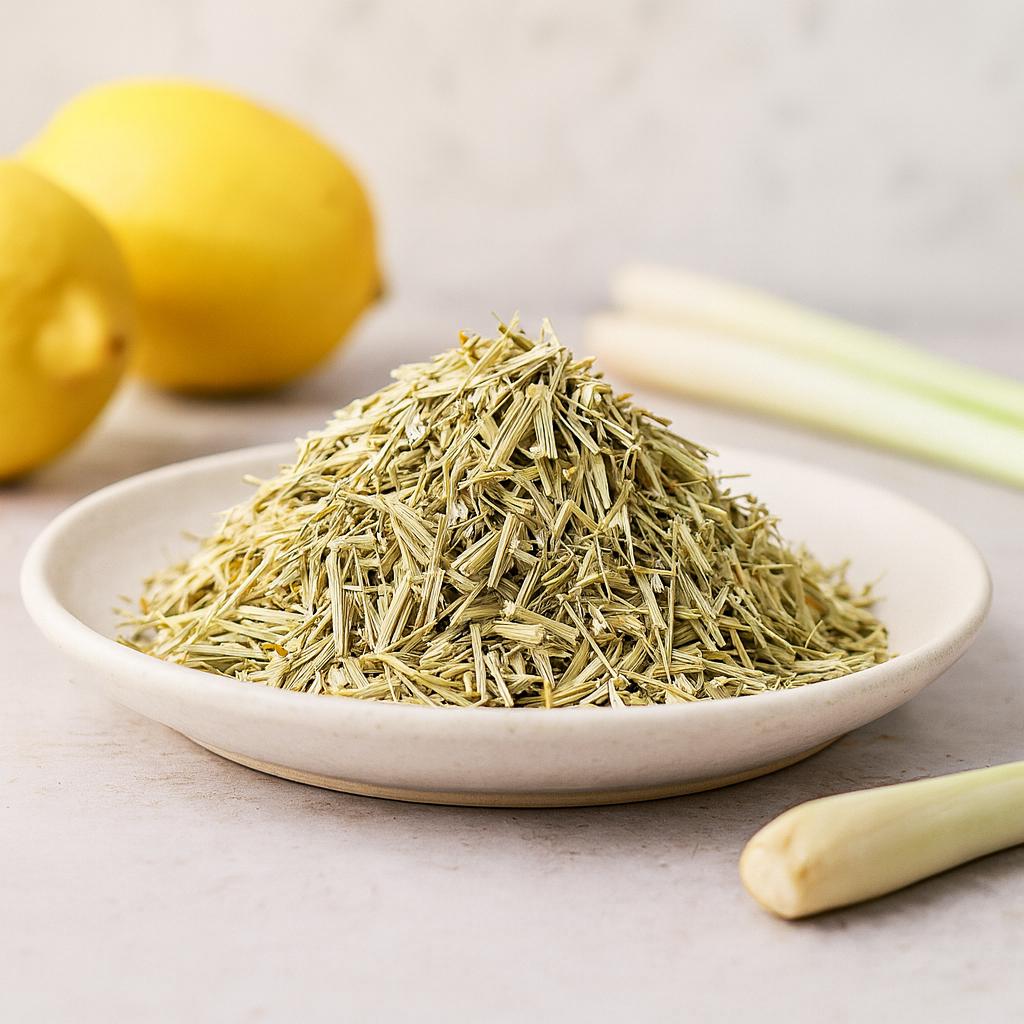
Esta forma está cortada en lugar de molida o entera, lo que proporciona un buen equilibrio: suficiente área de superficie para liberar el sabor rápidamente en una infusión, mientras sigue siendo fácil de colar o retirar de un plato.
Uso culinario y para infusiones
En la cocina del sur y sudeste asiático, la hierba limón es un aromático fundamental, utilizado en curries y sopas tailandesas, caldos vietnamitas, pastas de especias indonesias y platos de arroz de Sri Lanka.. La forma cortada funciona bien añadida directamente a una olla a fuego lento y retirada antes de servir, o atada holgadamente en una muselina para recuperarla fácilmente.
Como tisana, la hierba limón produce una infusión limpia de color amarillo pálido con un carácter cítrico brillante y un suave final herbáceo.. Comúnmente se bebe solo o mezclado con jengibre, menta o té verde en África Occidental y Oriente Medio, donde tiene una larga tradición como bebida herbal cotidiana.. El origen egipcio de este lote lo sitúa dentro de esa cultura de tisanas del norte de África y Oriente Medio, donde la hierba se suele preparar simplemente con agua caliente y quizás un poco de miel.
También funciona en marinadas, agua de cocción de arroz y jarabes especiados para bebidas, en cualquier lugar donde sea útil una nota limpia de limón sin acidez.
Calidad y cantidad
Con un kilogramo, esto es…
región de fabricación: Egipto
ingrediente: Las flores


 Reembolso por falta de entrega